






Stress, Cortisol, and Training: How to Avoid Plateaus
Feeling stuck in your fitness journey? Chronic stress and high cortisol levels might be the hidden culprits. Even if your workouts and diet are on point, elevated cortisol can interfere with muscle growth, recovery, and fat loss. Here's what you need to know:
- Cortisol's Role: This stress hormone spikes during workouts (a good thing) but prolonged stress from life or overtraining keeps it high, leading to fatigue, poor recovery, and stalled progress.
- Impact on Your Body: High cortisol breaks down muscle, disrupts sleep, and promotes fat storage, especially around your midsection.
- Solutions: Manage stress with active recovery, better sleep habits, and stress-reducing techniques like breathing exercises. Nutrition also matters - protein post-workout, complex carbs, and magnesium-rich foods can help.
The goal? Balance effort and recovery to lower cortisol and get back to making progress. Let’s break it all down.
What Cortisol Does During Training
Cortisol is like your body’s internal alarm system, kicking into gear whenever it senses stress. When you exercise, your body interprets the physical effort as a type of stress, which is actually beneficial in this case. This triggers your adrenal glands to release cortisol, which helps mobilize energy, sharpen focus, and prepare your muscles for action.
Interestingly, your body doesn’t distinguish between stress caused by a tough workout and stress from things like a demanding job or financial struggles. Both scenarios activate the same cortisol response. When these stressors stack up, cortisol levels can remain elevated longer than they should, which can have mixed effects on your fitness progress.
How Cortisol Impacts Your Performance
Cortisol plays a dual role in your workouts - it can either support or hinder your performance depending on how well it’s regulated. When kept in check, moderate cortisol levels help break down stored energy, reduce inflammation temporarily, and fuel high-intensity efforts.
But when cortisol levels stay high due to chronic stress, they start to backfire. Excess cortisol disrupts protein synthesis, the process your muscles rely on to repair and grow stronger after exercise. Instead of building muscle, your body may begin breaking it down for energy. This can stall your progress and make recovery harder.
High cortisol also takes a toll on your energy and focus during workouts. Persistent stress can lead to fatigue, trouble concentrating, and a dip in motivation. Ever notice how a workout feels tougher on a particularly stressful day? Weights seem heavier, your form slips, and everything feels like a grind - that’s cortisol at work.
The hormone also has a big influence on your metabolism. Elevated cortisol encourages fat storage, especially around the midsection, and makes it harder for your body to tap into stored fat for fuel. This can create a frustrating cycle where you’re putting in the effort but not seeing the changes in body composition you’re aiming for.
Short-Term vs. Long-Term Stress Effects
The distinction between acute and chronic stress is key when it comes to managing cortisol and optimizing your training. Short-term spikes in cortisol - like what happens during a challenging 45-minute workout - are beneficial. These temporary increases help your body adapt to the stress, efficiently mobilize energy, and set the stage for recovery and muscle growth once cortisol levels return to normal.
Think of this kind of stress as your body’s way of rising to the occasion. For example, during a heavy set of squats, cortisol helps manage blood sugar levels, coordinate muscle contractions, and handle the temporary inflammation caused by exertion. After your workout, cortisol naturally drops, allowing recovery to take over.
Chronic stress, however, keeps cortisol levels elevated for prolonged periods, sometimes lasting days or even weeks. This can happen due to factors like work pressure, lack of sleep, or overtraining. When cortisol stays high, your body remains in a constant “fight or flight” mode, prioritizing immediate survival over long-term goals like muscle growth and strength development.
Timing also plays a crucial role. Morning cortisol spikes are normal and even helpful - they help you wake up and feel alert. But if cortisol remains elevated into the evening, it can disrupt your sleep, creating a vicious cycle where poor sleep leads to more stress, which then worsens sleep quality further.
Over time, chronically high cortisol can also suppress other key hormones, such as testosterone and growth hormone, which are essential for muscle repair and recovery. This hormonal imbalance explains why people under constant stress often struggle to make progress, even if they’re consistent with their training and nutrition.
The real difference lies in recovery time. In a healthy individual, cortisol levels should return to normal within a few hours after exercise. But for someone dealing with chronic stress, this recovery period is much longer, leaving the body stuck in a stressed state. Without proper recovery, it becomes harder to shift into repair and growth mode, making it tough to break through training plateaus. Understanding these cortisol patterns can help you adjust your recovery and workouts for better results.
Why High Cortisol Stops Your Progress
Cortisol plays a dual role in the body, but when its levels stay elevated for too long, it can seriously hold you back. This isn’t just about feeling drained after a workout - it’s about how chronic stress messes with your body’s ability to adapt. High cortisol over time creates roadblocks that make it harder to build muscle, shed fat, and improve performance, even if your training and diet are on point.
When cortisol stays high, your body shifts its focus from growth and recovery to survival mode. This can blunt the benefits of your hard work, leaving you feeling stuck and frustrated.
How Cortisol Interferes with Recovery and Growth
One of the biggest issues with prolonged cortisol elevation is its impact on protein synthesis - the process your muscles rely on to repair and grow after a workout. High cortisol can slow this process down, making it harder for your muscles to recover and get stronger.
It doesn’t stop there. Chronic high cortisol can lead to fat buildup around your midsection and make it harder for your body to replenish glycogen stores. Without enough glycogen, you’re likely to feel sluggish during your next workout, and your overall recovery takes a hit.
Sleep disruption is another major consequence of high cortisol. Poor sleep not only prevents your body from fully repairing itself but can also keep cortisol levels elevated, creating a vicious cycle. On top of that, sustained high cortisol may trigger chronic inflammation, which can further delay healing and slow your progress in training.
These challenges highlight the importance of understanding the difference between helpful and harmful stress responses.
Good Stress vs. Bad Stress Responses
Not all stress is bad. During exercise, acute stress can actually be beneficial. It helps your body mobilize energy, enhances focus, and prepares you to meet the demands of your workout. In these cases, cortisol spikes briefly and then returns to normal, aiding recovery and adaptation.
But when the stress of daily life piles on top of intense training, cortisol can stay elevated for too long. This prolonged stress can lead to lingering fatigue, slower recovery, and even a plateau in your progress.
Here’s a closer look at how beneficial and harmful stress responses differ:
| Beneficial Stress Response | Harmful Stress Response |
|---|---|
| Cortisol rises during exercise and returns to normal within hours. | Cortisol remains elevated long after exercise. |
| Energy and focus bounce back quickly. | Fatigue drags on throughout the day. |
| Sleep quality remains stable or improves. | Sleep becomes disrupted, worsening stress levels. |
| Appetite stays balanced. | Cravings for high-calorie foods increase. |
| Mood improves after exercise. | Mood swings and irritability become more frequent. |
| Recovery happens efficiently. | Recovery slows, leading to prolonged soreness and fatigue. |
| Performance steadily improves. | Progress stalls or even declines. |
Managing cortisol effectively is key to maintaining a healthy balance of hormones like testosterone, growth hormone, and insulin - all crucial for making progress. On the flip side, chronic high cortisol throws this balance off, undermining your hard work and training results.
How to Control Cortisol and End Plateaus
Breaking through plateaus isn’t just about pushing harder - it’s about smartly managing cortisol, the stress hormone that plays a big role in how your body adapts to challenges. The goal isn’t to eliminate stress entirely but to strike a balance between effort and recovery. By keeping cortisol levels in check, you set the stage for better performance and progress.
The key? Combine recovery techniques, daily stress management, and sleep strategies. Let’s dive into practical ways to bring it all together.
Better Recovery Methods
Active recovery is a smart way to keep moving while giving your body the downtime it needs. Instead of complete rest, try light activities like a 20–30 minute walk, gentle stretching, or an easy swim. These help improve blood flow and support cortisol regulation without overloading your system.
Deload weeks can work wonders for your body. Every 4–6 weeks, scale back your training intensity by about 40–50% for a week. This shift allows you to focus on movement quality and lighter loads, giving your body a chance to recover fully.
Timing matters, too. Post-workout recovery is critical because cortisol peaks right after exercise. Spend 5–10 minutes cooling down with light movement and static stretching to help your body transition into recovery mode.
You can also incorporate heat and cold therapy to manage cortisol. Sauna sessions (15–20 minutes at 160–180°F, 2–3 times per week) and cold exposure (like ice baths or cold showers for 2–3 minutes) can support hormonal balance and speed up recovery.
These recovery tools don’t just help lower cortisol - they’re also great for breaking through those frustrating performance plateaus.
Ways to Reduce Daily Stress
Managing stress isn’t just about recovery; it’s about tackling the everyday challenges that keep cortisol elevated. Even small practices can make a big difference.
- Focused breathing techniques like the 4-7-8 method (inhale for 4 counts, hold for 7, exhale for 8) activate your parasympathetic nervous system, lowering cortisol in just a few minutes.
- Progressive muscle relaxation is another handy tool. Gradually tense and release each muscle group, starting from your toes and moving upward. This helps your body recognize and release tension.
- Time-blocking your day and adding 10–15 minute buffers between tasks can reduce mental strain.
- Social connections are powerful stress relievers. Whether it’s a quick chat with a friend, a family dinner, or catching up with coworkers, these interactions help ease stress and keep cortisol in check.
- Nature exposure is a simple yet effective way to unwind. Spend 15–20 minutes outside daily, whether it’s eating lunch in a park or taking a call while walking outdoors.
Sleep's Role in Managing Stress
Sleep is where cortisol regulation really gets a boost. Adults need 7–9 hours of sleep each night to keep cortisol levels balanced. When you consistently get less, cortisol stays elevated the next day, making recovery and stress management harder.
Consistency in sleep timing is crucial. Cortisol naturally peaks in the morning and drops in the evening, so sticking to a regular bedtime and wake-up schedule - even on weekends - helps maintain this rhythm.
Adopting a pre-sleep routine can also make a big impact. Start winding down 60–90 minutes before bed by dimming lights, avoiding screens, and doing calming activities like reading, light stretching, or taking a warm bath. That post-bath cool-down? It signals your body to get sleepy and supports healthy cortisol levels.
Don’t overlook your sleep environment. Keep your bedroom cool (around 65–68°F) and dark with blackout curtains or an eye mask. Even small amounts of light can disrupt melatonin production, which directly affects cortisol regulation.
Finally, morning light exposure helps set your body’s internal clock. Spend 10–15 minutes in natural sunlight within the first hour of waking to establish a cortisol peak in the morning, ensuring it tapers off properly by bedtime.
If you’re struggling with irregular sleep, focus on consistency. Weekend sleep-ins won’t erase the effects of poor weekday sleep. Instead, aim for the same sleep and wake times daily, adjusting gradually if needed.
sbb-itb-7567710
Nutrition and Supplements for Stress Control
What you eat - and when you eat it - can have a big impact on how your body manages stress and recovers. A well-rounded nutrition plan not only helps maintain healthy cortisol levels but also fuels your body’s natural recovery processes.
Eating Right for Cortisol Control
Protein timing plays a key role in recovery. Consuming 20–30 grams of high-quality protein shortly after your workout can help reduce the post-exercise cortisol spike and kick-start your body’s recovery process.
Complex carbohydrates are another important piece of the puzzle. Foods like oats, sweet potatoes, and brown rice help stabilize blood sugar levels, which prevents the dips that can trigger cortisol release. Eating balanced meals every 3–4 hours keeps your energy steady throughout the day.
Magnesium-rich foods also support stress management. Dark leafy greens, nuts, seeds, and even dark chocolate (with at least 70% cacao) can help your body regulate cortisol effectively.
Omega-3 fatty acids, found in salmon, sardines, walnuts, and flaxseeds, can reduce inflammation and promote healthy cortisol rhythms. Try to include 2–3 servings of fatty fish each week or add ground flaxseed to your smoothies for an extra boost.
Vitamin C is essential for adrenal gland function, as it’s used in producing stress hormones. Adding bell peppers, citrus fruits, strawberries, and broccoli to your meals can help replenish your vitamin C levels and support a balanced stress response.
Timing your carbohydrate intake can also make a difference. Consuming 30–50 grams of carbs after a workout can aid recovery and help moderate cortisol levels.
Finally, don’t underestimate the importance of hydration. Even mild dehydration - just a 2% loss of body weight in fluids - can lead to elevated cortisol. Aim to drink half your body weight in ounces of water daily, plus an additional 16–24 ounces for every hour of training.
By combining these nutritional strategies with other stress management techniques, you can keep your training on track and your body in balance.
NutriFitt Supplements for Stress and Recovery

Supplements can help fill nutritional gaps and provide extra support for stress management and recovery. NutriFitt offers a range of products designed to complement your diet and training routine.
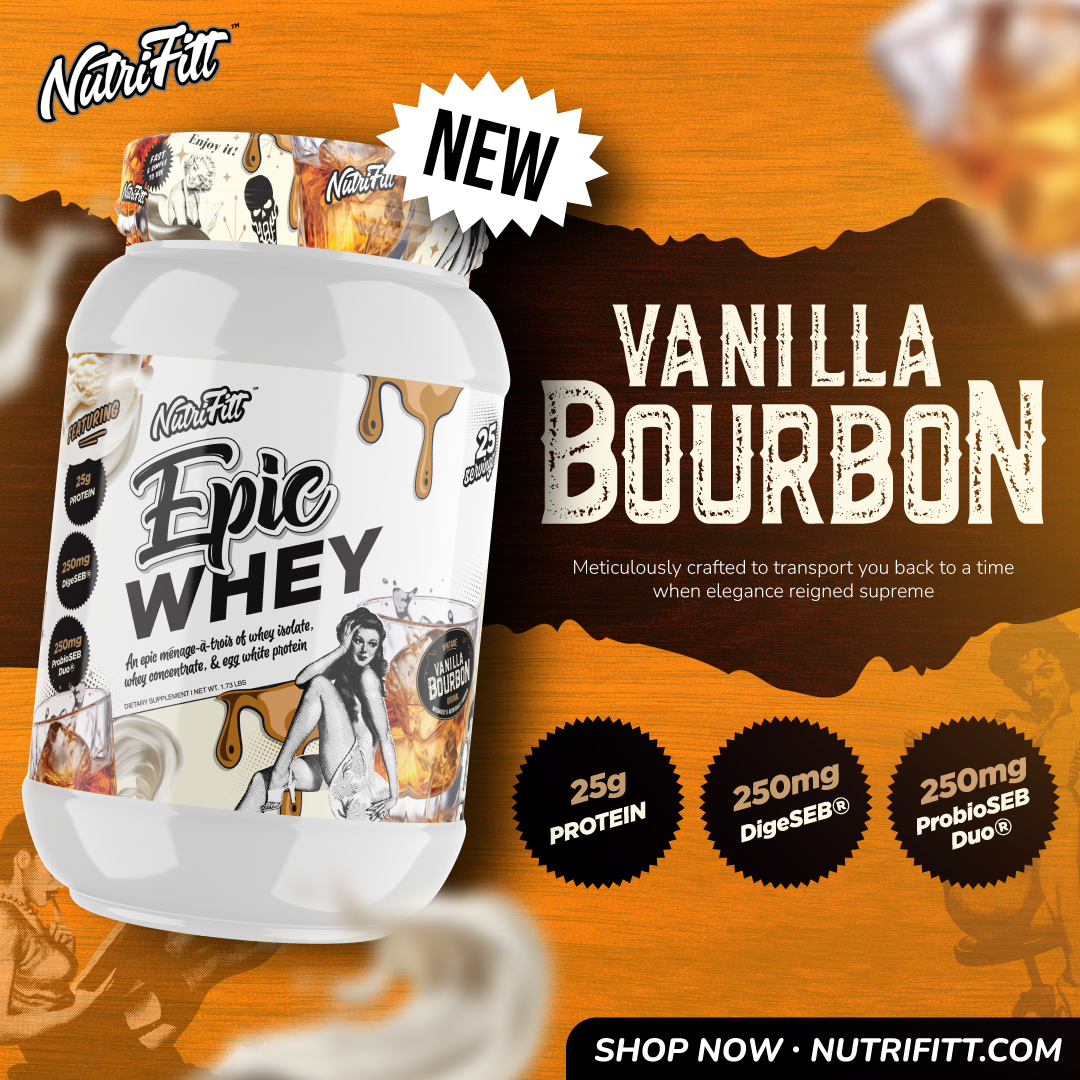
EPIC Whey Protein is a fast-absorbing protein powder that’s perfect for post-workout recovery. Mixing one scoop with water or milk after exercise can help jumpstart your recovery process.
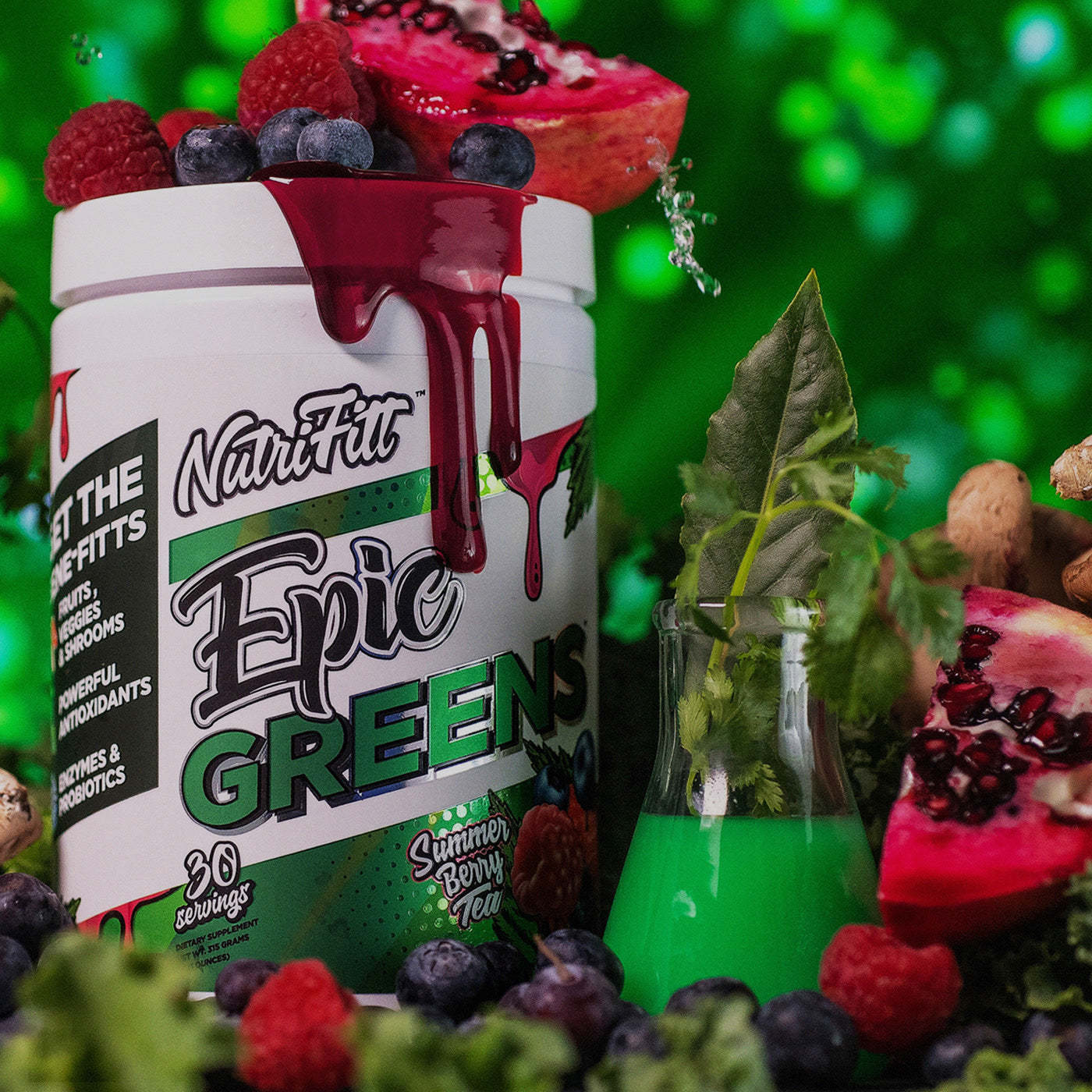
EPIC Greens delivers a concentrated dose of essential micronutrients to support stress resilience. This daily greens supplement helps address any nutritional deficiencies that might contribute to elevated cortisol levels.
CODEX Nootropic is designed to enhance mental clarity and focus, making it easier to handle daily stressors - especially during intense training periods.
EPIC Multi provides a comprehensive blend of vitamins and minerals, including magnesium, vitamin C, and B-vitamins, all of which play a role in cortisol regulation. (Check the product page for current pricing.)
| Product | Primary Benefit | Best Used For | Price |
|---|---|---|---|
| EPIC Whey Protein | Post-workout recovery | Managing exercise-induced cortisol | $41.24 |
| EPIC Greens | Daily micronutrient support | Overall stress resilience | $33.74 |
| CODEX Nootropic | Enhanced mental clarity | Cognitive stress management | $35.99 |
| EPIC Multi | Comprehensive nutrient support | Supporting the stress response system | Price varies* |
*For the latest pricing on EPIC Multi, visit the NutriFitt product page.
Supplements work best when paired with healthy lifestyle habits like proper hydration, quality sleep, and a solid recovery routine. Start by addressing your most critical nutritional needs, then build a plan that supports both your training goals and overall well-being.
Keep an eye on how your body responds and make adjustments as needed to stay ahead of stress-related challenges.
Tracking Your Progress and Making Changes
Fine-tuning your recovery and stress management strategies is essential for maintaining balance in your workouts. By tracking specific metrics, you can determine if your adjustments are working and ensure your training aligns with your recovery goals.
Measuring Stress and Recovery
Monitoring key metrics can help you understand how your body responds to training and how recent workouts impact your overall condition.
- Base Fitness: This metric provides a long-term view of your training capacity, calculated as a 42-day rolling average of your daily training load. A downward trend may signal the need to adjust your routine. A lower Base Fitness could also indicate disrupted cortisol recovery cycles, which impact your overall performance.
- Training Status: This evaluates your recent training loads to determine if your regimen is balanced or if you're overreaching. If your status shows "excessive training", it’s a clear sign that your body might need additional recovery time.
- Training Stress Score (TSS): TSS measures the stress of an individual workout based on its intensity and duration. Higher TSS values signify greater stress, which means you may need more time to recover before tackling your next high-intensity session.
Conclusion: Keep Making Progress While Managing Stress
Breaking through plateaus requires a balanced approach that considers both the intensity of your workouts and how your body handles stress, even under tough conditions.
Cortisol, a key stress hormone, is influenced by your sleep, nutrition, and recovery habits. When you aim for 7-9 hours of quality sleep, make thoughtful nutrition choices, and prioritize effective recovery techniques, you lay the groundwork for consistent athletic performance.
The stress from workouts can be helpful - if it's paired with proper recovery. This means monitoring metrics like your Training Stress Score and Base Fitness trends, but also tuning into your body's signals. Feeling persistently fatigued or noticing a drop in performance? That’s your body telling you it’s time to reevaluate how you’re managing stress and recovery.
Instead of overhauling everything at once, focus on small, steady adjustments. Start by improving your sleep environment, then gradually incorporate nutritional tweaks and recovery strategies that align with your daily routine.
Progress takes time. By staying mindful of how stress affects your training and consistently applying these practical strategies, you’ll break through plateaus and continue moving forward. Managing stress, improving sleep, and supporting recovery aren’t just tools for progress - they’re what turn challenges into opportunities for growth.
FAQs
How can I tell if high cortisol levels are slowing my fitness progress?
High cortisol levels can show up in several ways, including unexpected weight gain (especially around your midsection), muscle weakness, constant fatigue, sleep troubles, and mood shifts like anxiety or irritability. You might also notice slower recovery after workouts or find it hard to build and maintain muscle.
If these problems stick around even with steady training and proper recovery, it might be a sign that high cortisol levels are interfering with your progress. Tackling stress, getting better sleep, and finding the right balance in your workout intensity can help reduce these effects and keep you moving toward your fitness goals.
What lifestyle changes can help lower cortisol levels and prevent stress from affecting my workouts?
Managing cortisol levels and easing stress doesn't require a complete life overhaul - just a few thoughtful changes can go a long way. Start with a nutritious diet packed with whole foods like lean proteins, healthy fats, and plenty of vegetables. These choices can give your body the fuel it needs to recover and thrive.
Stay active, but don’t overdo it. Opt for moderate exercises like walking, cycling, or swimming. These activities keep you moving without putting unnecessary strain on your system.
Getting enough sleep - ideally 7 to 9 hours a night - is another cornerstone of stress management. Pair that with calming activities like deep breathing, mindfulness, or yoga to help quiet your mind. Cutting back on caffeine, staying hydrated, and carving out time for hobbies or journaling can also work wonders for your mental well-being. Small, steady efforts like these can help you tackle stress while staying on track with your goals.
What foods or supplements can help lower cortisol and improve recovery after exercise?
Certain foods and supplements can help regulate cortisol levels and aid in recovery. Including foods that are high in omega-3 fatty acids, magnesium, and probiotics - like salmon, spinach, yogurt, and fermented options - can be a smart addition to your diet. These nutrients may assist in reducing stress and improving recovery after intense workouts.
On the supplement side, options like ashwagandha, fish oil, and vitamin C have been linked to lower cortisol levels and better muscle recovery. Pairing these with a well-rounded diet and good recovery habits can support stress management and keep your fitness progress on track.
Latest Posts
How Ashwagandha Supports Testosterone Levels
10 Best Natural Pre-Workout Ingredients
Best Electrolyte Supplements for Fitness Goals

Best Nootropics for Productivity in 2026

Top 5 Sleep Hygiene Practices for Athletes

5 Best Pre-Workouts for Pump

The 30-Minute Body That Beats the 2-Hour One
Short, high-intensity 30-minute workouts can deliver equal or better cardio, strength, and fat-loss results than long sessions.

Checklist for Choosing Clean Label Certified Supplements
Checklist to verify certifications, ingredient transparency, batch COAs, GMP compliance, and bioavailable forms in clean-label supplements.