




The 30-Minute Body That Beats the 2-Hour One
Shorter workouts can deliver better results than longer ones. Here's why:
- Intensity matters more than duration. A focused 30-minute session can improve cardiovascular health, build muscle, and burn calories effectively.
- Science backs it up. Just 75 minutes of vigorous exercise per week can match the benefits of 150 minutes of moderate workouts.
- Avoid overtraining. Long sessions increase the risk of injuries and chronic inflammation, slowing progress.
- Time-efficient and sustainable. 30-minute routines fit into busy schedules and are easier to maintain long-term.
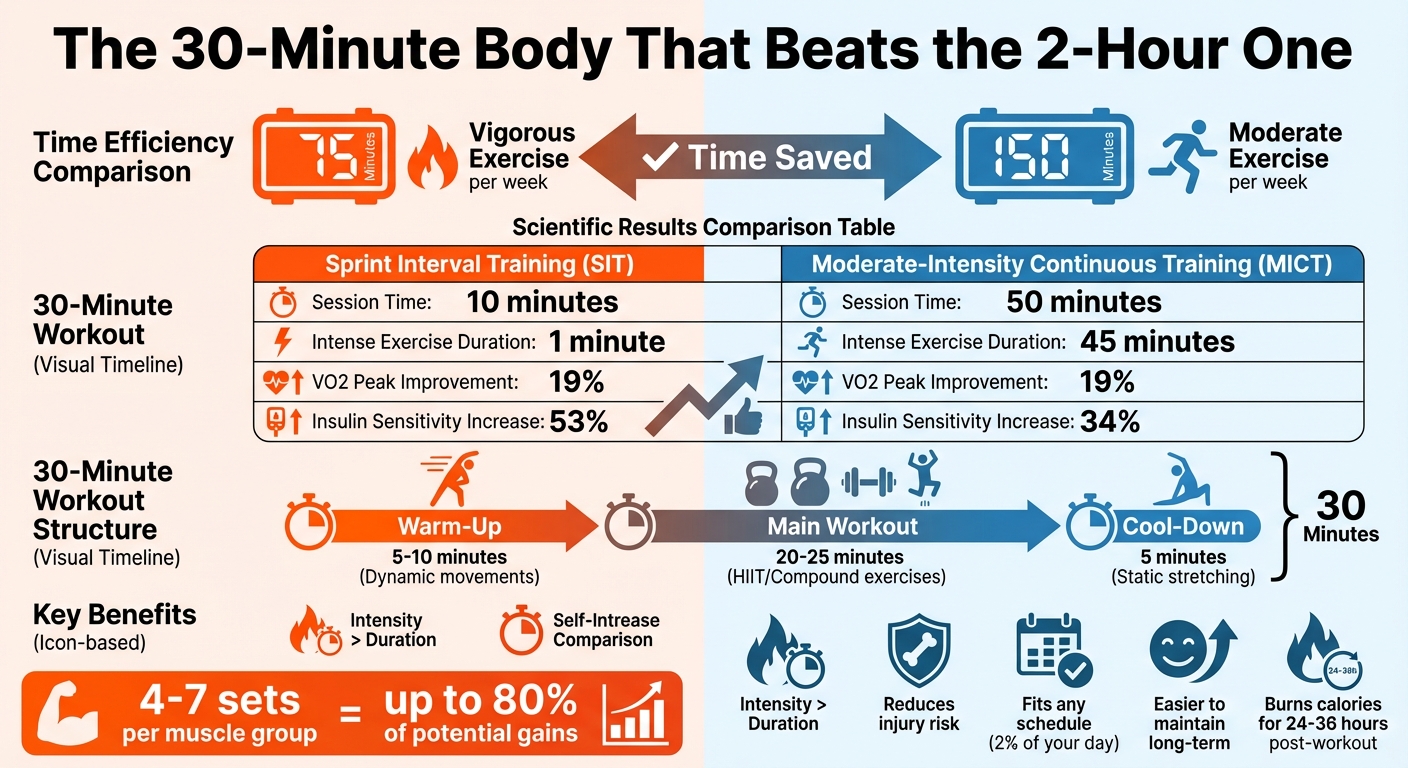
30-Minute vs 2-Hour Workout Comparison: Efficiency and Results
The Science Behind Shorter Workouts
Studies reveal that shorter, high-intensity workouts can be just as effective - if not more - than traditional, longer routines. For instance, research highlights that a 10-minute session with just 1 minute of all-out effort resulted in a 19% increase in VO2 peak, matching the results of a 50-minute moderate-intensity workout. Even more impressive, the shorter workout improved insulin sensitivity by 53%, compared to 34% for the longer session. This approach is all about maximizing efficiency. Let’s explore how techniques like HIIT, compound exercises, and smart recovery strategies make these results possible.
High-Intensity Interval Training (HIIT)
HIIT is a game-changer when it comes to burning calories and boosting metabolism. Thanks to Excess Post-exercise Oxygen Consumption (EPOC), your body continues to burn calories for hours after the workout ends, aiding in muscle recovery and oxygen replenishment. Plus, high-intensity intervals trigger the release of catecholamines - hormones like epinephrine and norepinephrine - that help break down fat stored in both subcutaneous and intramuscular areas.
The efficiency of HIIT is undeniable. Low-volume HIIT, which includes just 5 minutes of intense activity within a 15-minute session, can deliver comparable cardiometabolic benefits to traditional workouts while requiring only 14% to 47% of the time.
Compound Exercises for Full-Body Training
Compound exercises are another powerful tool for shorter, more effective workouts. Movements like squats, deadlifts, and push-ups engage multiple muscle groups at once, making them incredibly efficient. Research shows that multi-joint exercises lead to greater strength and muscle gains compared to single-joint isolation exercises. For example, a barbell squat doesn’t just target your legs - it also works your core, glutes, back, and stabilizer muscles.
To save even more time, techniques like supersets can be incorporated. Alternating between opposing muscle groups in a superset can cut workout time by up to 40% while maintaining gains in strength, size, and power.
Fast Recovery Methods
Effective recovery strategies are essential for getting the most out of shorter workouts. Shorter rest periods - about 60 seconds - aren’t just time-savers; they also help keep your heart rate elevated, improving metabolic conditioning while still allowing enough recovery for muscle growth.
Understanding effective reps is key. These are the last few reps of a set, where your muscles are pushed to their limit. Techniques like drop sets make the most of this principle. By reducing the weight by around 20% after reaching near-failure, you can continue performing reps at maximum effort, ensuring every moment counts.
| Training Approach | Session Time | Intense Exercise Duration | VO2 Peak Improvement | Insulin Sensitivity Increase |
|---|---|---|---|---|
| Sprint Interval Training (SIT) | 10 minutes | 1 minute | 19% | 53% |
| Moderate-Intensity Continuous Training (MICT) | 50 minutes | 45 minutes | 19% | 34% |
These findings show that a well-structured 30-minute workout can outperform longer, less focused sessions, delivering impressive fitness results in less time.
sbb-itb-7567710
How to Structure a 30-Minute Workout
To make the most of a 30-minute workout, break it into three key phases: a 5- to 10-minute dynamic warm-up, a 20- to 25-minute high-intensity main workout, and a 5-minute cool-down. This approach ensures your body is properly prepared, maximizes the workout's effectiveness, and aids recovery. During the main phase, focus on compound movements like squats, deadlifts, and presses. These exercises engage multiple muscle groups and trigger significant hormonal responses, such as the release of growth hormone (HGH) and testosterone, making them incredibly efficient for calorie burn and muscle growth.
Sample 30-Minute Workout Routine
- Warm-Up (5 Minutes): Begin with a dynamic warm-up to get your body ready. Include moves like leg swings, arm circles, and bodyweight squats to increase your heart rate and loosen up your joints.
-
Main Workout (20–25 Minutes): Perform your exercises in a circuit or superset format. For example:
- Pair barbell squats with push-ups.
- Follow with deadlifts and pull-ups.
- Complete 3–4 rounds, resting 30–45 seconds between sets. Keeping rest periods short adds intensity and boosts calorie burn.
- Cool-Down (5 Minutes): Wrap up with static stretches to target major muscle groups. This helps improve flexibility and speeds up recovery.
This structure keeps your workout efficient while delivering results. Pairing it with smart tracking tools and proper nutrition further enhances its effectiveness.
Using Fitness Trackers and Apps
Fitness trackers and apps can elevate your 30-minute workouts by offering real-time data and accountability. Use modes like HIIT or Strength Training to track calories and intensity accurately. Real-time heart rate monitoring ensures you stay in the right zones for maximum results. Cathy Richards, a Certified Exercise Physiologist, highlights the importance of intensity:
The more intense the exercise and the higher the heart rate, the more calories you burn per minute.
Leverage the timer feature to stick to strict rest periods, and log your weights, reps, and sets to monitor progress. High-intensity workouts can boost your metabolism for up to 24 to 36 hours post-exercise, and tracking this data helps you understand your body's response. Adding supplements to your routine can further support your performance.
Adding NutriFitt Supplements to Your Routine

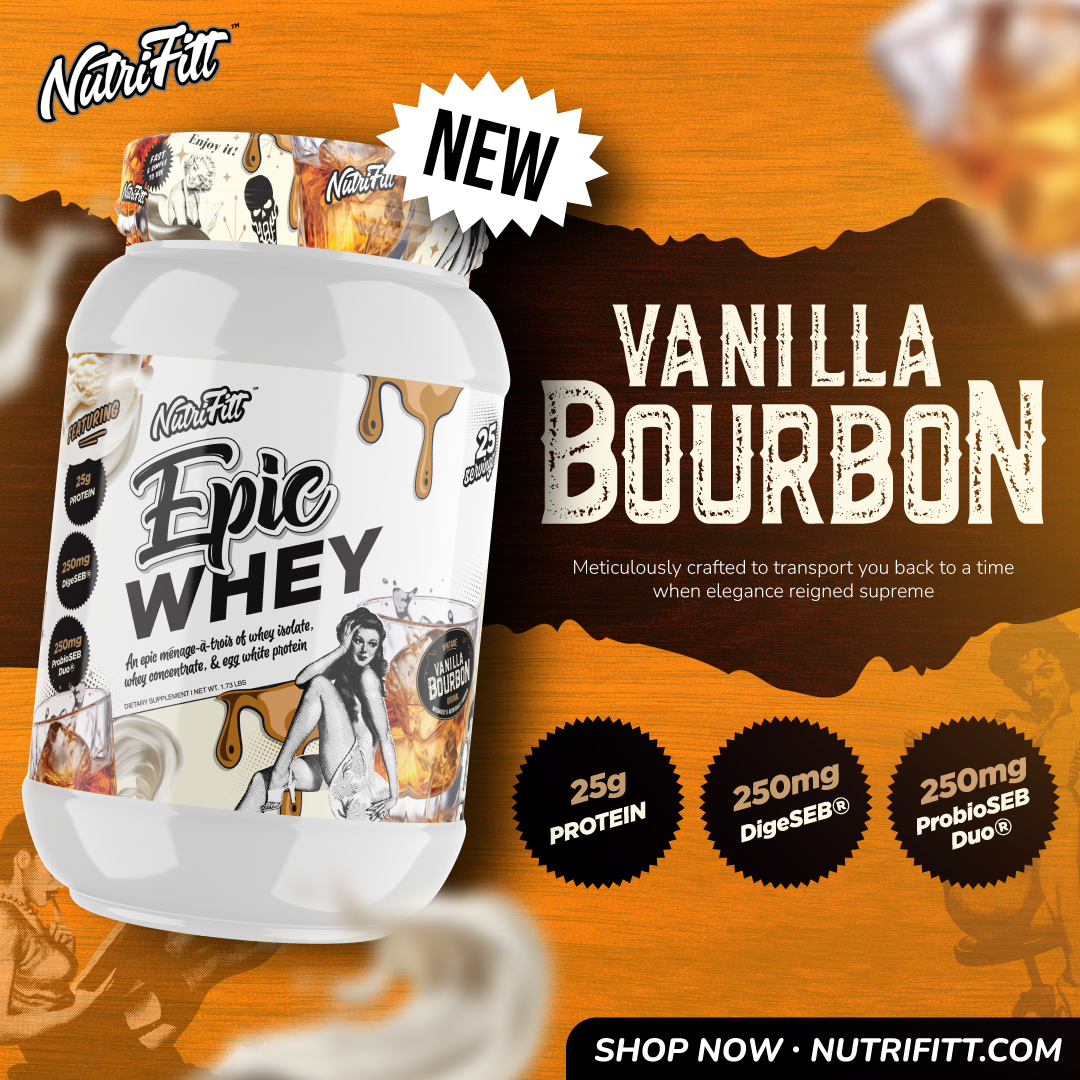
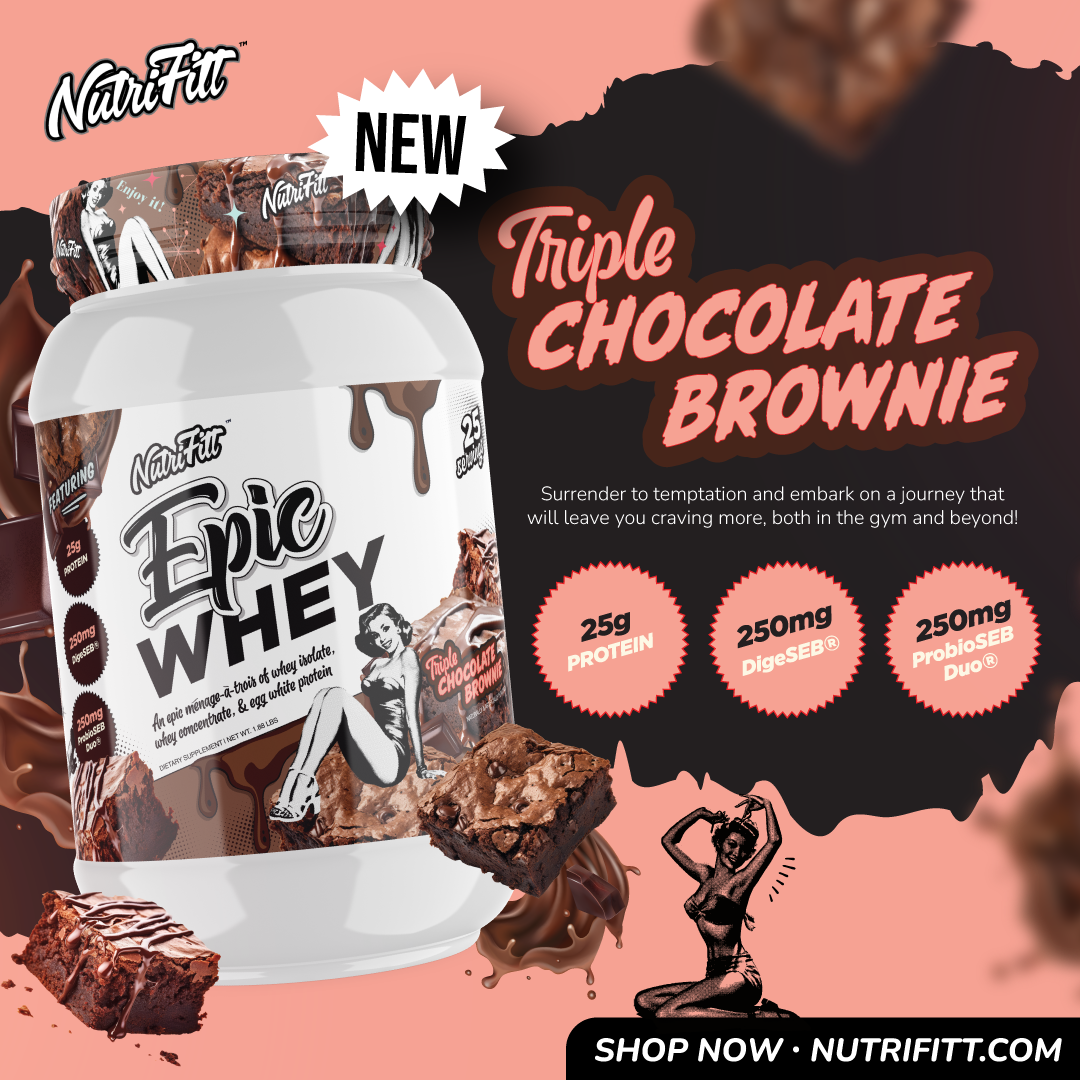
Supplements can take your 30-minute workouts to the next level by helping you maintain high energy and effort throughout. For pre-workout support, try KROBAA Pre-Workout ($37.49). It enhances focus, energy, and muscle pumps, which are crucial for powering through HIIT circuits or resistance training. Take it 15–30 minutes before your session. After your workout, EPIC Whey Protein ($41.24) aids in muscle recovery and repair, especially after intense sessions.
Benefits of 30-Minute Workouts
Better Results in Less Time
Shorter workouts can pack a punch by focusing on intensity rather than duration. Studies indicate that just 75 minutes of high-intensity exercise each week yields the same health perks as 150 minutes of moderate activity. The secret? Keeping your heart rate elevated throughout the session. For example, a 30-minute high-intensity circuit often burns more calories and builds more strength than a longer workout with frequent breaks. Even quick bursts, like a 15-minute run, can significantly lower the risk of depression. These efficient sessions not only maximize results but also make sticking to a routine much more manageable.
Easier to Maintain Long-Term
The shorter time commitment of a 30-minute workout makes it easier to stay consistent, which is the cornerstone of long-term fitness success. Since it takes up just 2% of your day, it’s much simpler to fit into a busy schedule compared to lengthy, multi-hour routines. For beginners, long workouts can feel daunting, but shorter sessions remove that barrier, helping you build a sustainable habit over time.
By making exercise feel achievable, these shorter workouts encourage regular movement and set the stage for a flexible, long-term fitness plan.
Fits Any Schedule
One of the biggest perks of 30-minute workouts is how seamlessly they fit into even the busiest lifestyles. Whether it’s a quick session before work, during a lunch break, or after the kids are in bed, 30 minutes is enough time to elevate your heart rate and complete multiple circuits. The National Academy of Sports Medicine highlights this advantage:
The biggest excuse people give for not working out is, 'I don't have time!' ... In 30 minutes we can get a client's heart rate up and take them through at least two circuits of core, balance, reactive, and strength training.
This time-efficient approach is especially beneficial for those with sedentary jobs. For people who sit less than seven hours a day, just 30 minutes of exercise can cut the risk of early death by up to 80%. And for those who sit longer, adding light movement throughout the day - like walking during meetings or taking the stairs - can further minimize health risks.
Conclusion: Make Your Workouts More Efficient
A well-structured 30-minute workout focusing on 4–7 sets per muscle group with compound movements performed close to failure can provide up to 80% of the potential gains.
To maximize these gains, consistency is non-negotiable. Short, effective workouts are easier to stick with, which plays a huge role in long-term progress. Incorporating techniques like antagonist supersets and drop sets ensures every second of your session is productive.
Nutrition is just as important as the workout itself. Consuming high-quality protein, recovery-focused nutrients, and smart supplements can take your results to the next level.
For a practical starting point, aim for 3–5 focused 30-minute sessions each week. Stick to compound movements and fuel your efforts with products like NutriFitt's KROBAA Pre-Workout ($37.49) for energy and EPIC Whey Protein ($41.24) for recovery. Efficient training isn’t about spending endless hours in the gym - it’s about using the right strategies to make every minute count.
FAQs
How intense should a 30-minute workout be?
A 30-minute workout needs to pack a punch, demanding high-intensity effort to push your limits. This approach helps you make the most of a short session by boosting both muscle growth and fat loss. Choose exercises that require your full energy and effort, but stay mindful of your body's signals to avoid overdoing it or risking injury. Don't overlook recovery - it plays a key role in maintaining your ability to perform at this level consistently.
How many 30-minute workouts should I do each week?
For building strength and muscle effectively, try to commit to 2 to 3 focused 30-minute workouts each week. The key to seeing results isn’t just the time you spend but how consistent you are and maintaining proper form during each session. These two factors make a huge difference in maximizing your efforts without needing endless hours at the gym.
Can 30-minute workouts build muscle and burn fat at the same time?
Yes, you can build muscle and burn fat with 30-minute workouts, especially if they incorporate strategies like high-intensity training, compound movements, and well-structured routines. These workouts are designed to target major muscle groups while boosting your metabolism, making them both effective and efficient.
Latest Posts

Top 5 Sleep Hygiene Practices for Athletes

5 Best Pre-Workouts for Pump
The 30-Minute Body That Beats the 2-Hour One
Short, high-intensity 30-minute workouts can deliver equal or better cardio, strength, and fat-loss results than long sessions.

Checklist for Choosing Clean Label Certified Supplements
Checklist to verify certifications, ingredient transparency, batch COAs, GMP compliance, and bioavailable forms in clean-label supplements.

The 3 Types of People in the Gym (Which One Are You?)

Why You’re Still Tired (Even If You Drink Coffee All Day)
Endurance Pre-Workouts: Science Behind the Formulas
Ultimate Guide to Supplements for Cardio Endurance